Table of Contents
- Water Heater Replacement Cost Overview
- How Tank and Tankless Water Heater Replacement Costs Compare
- Factors That Affect Water Heater Replacement Pricing
- What to Include in Your Water Heater Replacement Quote
- Water Heater Lifespan and When to Replace
- Water Heater Rental vs. Buying: Which Option Fits Your Budget
- Evaluating Your Water Heater Replacement Options
- Frequently Asked Questions
Last Updated: October 14, 2026
Water Heater Replacement Cost Overview
When your water heater fails, the decision to replace it comes down to one question: what will this actually cost? Understanding water heater replacement pricing helps you make an informed choice and avoid sticker shock when contractors submit their estimates.
The total cost of water heater replacement includes three components: the unit itself, labor and installation, and any additional work required by your home’s specific setup. Each of these varies significantly based on the type of system you choose and the complexity of the installation.
At HPG Mechanical, we’ve helped hundreds of homeowners navigate this decision. The most common mistake we see is comparing only the unit price, then being surprised when the final invoice arrives. A complete water heater replacement pricing picture requires understanding what goes into that final number.
How Tank and Tankless Water Heater Replacement Costs Compare
Tank water heaters and tankless models have fundamentally different cost structures. A traditional tank water heater stores heated water in an insulated container, while a tankless system heats water on demand as it flows through the unit.
| Option | Typical installed price range (CAD) | Energy source | Standby losses | Typical household fit | Notes on operating cost |
|---|---|---|---|---|---|
| Tank, electric | $1,200-$2,200 | Electricity | Yes, tank loses heat continuously | 1-3 people, existing 240V circuit | Highest cost per unit of heat in most provinces |
| Tank, gas (natural or propane) | $1,500-$2,800 | Gas | Yes | 2-4 people, existing gas line and venting | Lower operating cost than electric in most regions |
| Tankless, gas | $3,000-$5,500 | Gas | Minimal | 3+ people, simultaneous demand | Lower standby losses; gas line and venting upgrades often required |
| Tankless, electric | $2,500-$4,500 | Electricity | Minimal | 1-2 people, mild incoming water | May require panel and circuit upgrades |
| Heat pump | $2,800-$5,000 | Electricity | Yes, but far lower than resistance | 2-4 people, space and airflow | Lowest operating cost in many regions; needs conditioned space |
These ranges assume a like-for-like replacement in a home with compatible infrastructure. Conversions, swapping fuel type, relocating the unit, or upgrading capacity, sit above these ranges and are covered in the upgrade-scenario discussion below.
Tank water heaters are generally less expensive upfront. The unit cost is lower, and installation is straightforward in most homes because your existing venting, plumbing connections, and electrical service often remain compatible. Many homes can accommodate a tank replacement without significant modifications.
Tankless water heaters cost more initially. The units themselves are pricier, and installation typically requires upgrades to venting, gas line sizing, or electrical capacity. These conversion costs can be substantial. However, tankless systems use less energy to operate, which can offset higher upfront expenses over time through lower utility bills.
Heat pump water heaters represent a third option. These systems use electricity to move heat from the surrounding air into the water, making them highly efficient.
When comparing quotes, ask each contractor to state the assumed incoming water temperature, household size, and fuel type. Two quotes for the “same” tankless unit can differ by thousands of dollars if one assumes a gas line upgrade and the other does not.
Lifecycle math matters more than sticker price. A tank unit that costs $1,800 installed and lasts 10 years costs roughly $180 per year in capital, before energy. A tankless unit at $4,500 installed lasting 18 years costs roughly $250 per year in capital, but its lower standby losses can narrow or reverse the gap depending on local energy prices and how much hot water the household actually uses. Run the numbers for your own usage pattern rather than assuming the higher upfront price always wins.
Factors That Affect Water Heater Replacement Pricing
Several variables influence your final water heater replacement pricing, and understanding them helps you evaluate contractor quotes accurately.
Fuel type and availability. Gas water heaters typically cost less to operate but may require venting upgrades or gas line work. Electric units are simpler to install but carry higher operating costs.
Tank capacity and household size. Larger tanks cost more upfront but serve bigger households. A family of four typically needs a unit with adequate capacity, while larger homes may require more.
Site conditions and accessibility. Water heaters installed in basements with clear access are straightforward. Units in cramped crawl spaces, attics, or behind walls require more labor. Removing an old unit that’s corroded or difficult to disconnect adds time and cost.
Permits and code compliance. Most jurisdictions require permits for water heater replacement. Permit costs vary by location, but they ensure the installation meets current building codes.
Existing plumbing and electrical infrastructure. If your current setup is outdated or incompatible with a new unit, upgrades become necessary. Corroded copper lines may need replacement. Electrical panels might require capacity upgrades for modern units. These hidden costs often surprise homeowners.
What to Include in Your Water Heater Replacement Quote
A complete water heater replacement quote breaks down into distinct line items. Knowing what to look for helps you compare estimates accurately and identify hidden fees before work begins.
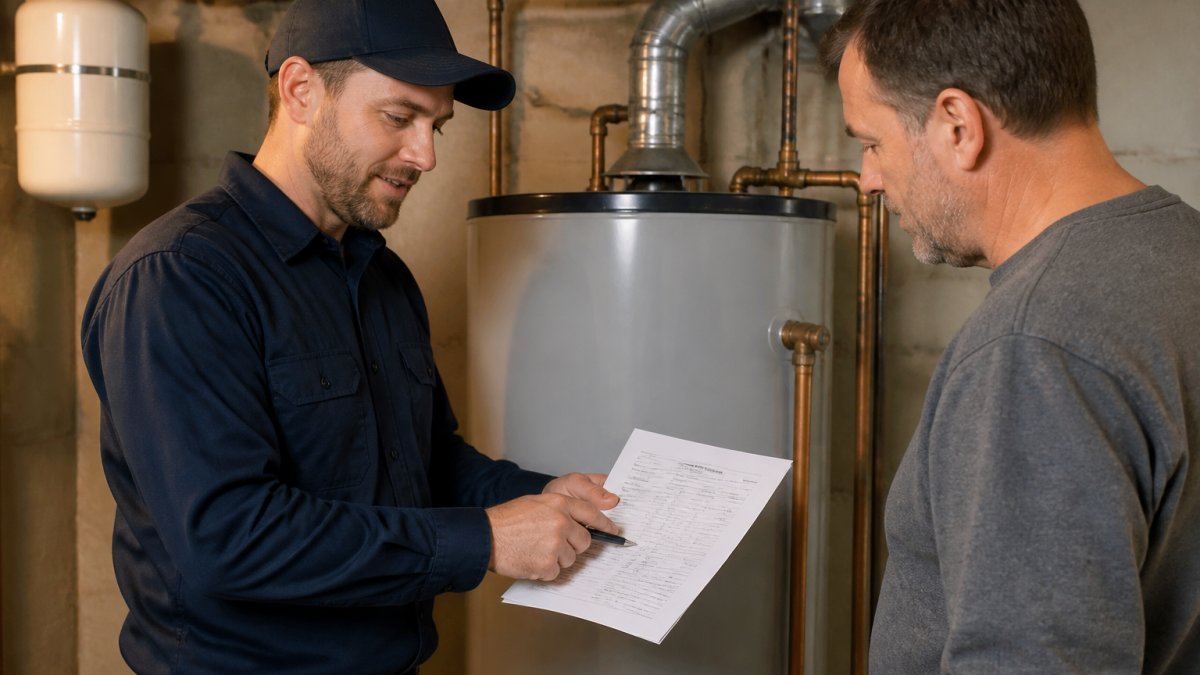
Unit cost. This is the price of the water heater itself. It should be listed separately so you can see exactly what equipment you’re paying for.
Labor and installation. This covers the technician’s time to remove the old unit, install the new one, and make all necessary connections.
Removal and disposal. The old unit must be safely disconnected and removed. Many contractors charge separately for disposal of the old tank.
Additional materials. Expect line items for new piping, fittings, valves, and expansion tanks if needed. Venting materials, gas line upgrades, or electrical work should each appear as separate charges. Transparency here prevents surprises.
Permits and inspections. If permits are required, the cost should be listed. Some contractors include this in their labor charge; others bill it separately. Ask upfront.
Warranty and service. Some quotes include extended warranties or first-year maintenance. Clarify what’s covered and for how long.
A good contractor provides an itemized estimate before starting work. If a quote is vague, bundling everything into one lump sum, ask for a breakdown.
Water Heater Lifespan and When to Replace
Most tank water heaters last 8-12 years with proper maintenance. Tankless systems often reach 15-20 years. Knowing your unit’s age helps you plan for replacement before an emergency failure occurs.
Check the serial number on your water heater to determine its age. The first digit of the serial number typically indicates the year of manufacture. A unit approaching 10 years old is nearing the end of its serviceable life, even if it still works.
Waiting until your water heater fails forces you into an emergency replacement with limited time to compare options or negotiate pricing. Planned replacements allow you to research, get multiple quotes, and schedule installation at your convenience.
Signs your water heater needs replacement soon include rust-colored water, unusual noises (rumbling or popping), leaks around the base, or significantly reduced hot water supply. These indicate internal corrosion or sediment buildup. Once these problems appear, replacement is usually more cost-effective than repair.
Water Heater Rental vs. Buying: Which Option Fits Your Budget
Some homeowners rent water heaters from their utility provider or a third-party company rather than buying. Understanding the trade-offs between renting and buying helps you choose the option that makes financial sense for your situation, and the comparison changes once you factor in incentives and financing.
Renting offers predictability. You pay a monthly fee, and the rental company handles maintenance and replacement if the unit fails. There is no large upfront capital expense. For renters or those staying in a home temporarily, this simplicity appeals to many.
Buying requires a larger initial investment but provides long-term value. You own the asset, control maintenance decisions, and avoid ongoing monthly payments. Over 10+ years, buying is typically less expensive than renting, despite higher upfront costs.
The break-even calculation. A unit costing $2,000 installed with a $25 monthly rental fee breaks even in about 80 months (roughly 6-7 years). After that point, ownership becomes financially advantageous. Run the same math with your actual rental rate, because rates vary widely by provider and region.
Incentives can change the math dramatically. High-efficiency and heat pump water heaters may qualify for provincial or federal efficiency rebates, and some utilities offer their own incentives.
Financing options to weigh.
- Contractor financing: Many installers offer monthly payment plans. Compare the total cost of the financed price against the cash price; the convenience often carries an interest cost.
- Home equity line of credit: Can offer a lower rate than unsecured financing, but ties the debt to your home.
- Utility on-bill financing: Some utilities let you repay efficiency upgrades on your monthly bill. Terms and eligibility vary.
- Credit card: Convenient but usually the most expensive option if you carry a balance.
Before signing a rental contract, confirm the buyout price, the term length, whether the rental fee increases over time, and what happens if you sell the home. These terms vary by provider and can significantly affect the true cost.
Consider your long-term plans. If you are staying in your home for many years, buying, especially with an incentive applied, usually makes sense. If you are uncertain about your future residence, renting reduces risk and commitment. The decision is not just about the monthly number; it is about ownership, flexibility, and how long you expect to stay.
Evaluating Your Water Heater Replacement Options
Comparing water heater replacement options requires looking beyond the unit price. Consider operating costs, efficiency ratings, warranty coverage, and how each option fits your household’s hot water needs.
Energy efficiency matters over time. A more efficient unit costs more upfront but reduces monthly utility bills. Energy Guide labels on water heaters show estimated annual operating costs.
Warranty length varies significantly. Some units come with 6-year warranties; others offer 10+ years. Longer warranties indicate manufacturer confidence in durability and provide peace of mind.
Installation compatibility affects total cost. If your home’s existing infrastructure works with a standard tank replacement, that option is straightforward. If conversion to tankless or heat pump requires significant upgrades, factor those costs carefully.
Household hot water demands should guide capacity. A family that runs multiple showers and laundry simultaneously needs adequate capacity. Undersizing creates inconvenience; oversizing wastes energy and money.
When evaluating quotes from different contractors, ensure they’re recommending comparable equipment. A quote for a basic electric tank isn’t comparable to a quote for a high-efficiency gas tankless system.
The best water heater replacement option balances upfront cost, operating efficiency, installation complexity, and your household’s actual needs. Our certified technicians can assess your home’s specific requirements and recommend the option that delivers the best value for your situation.
Choosing the right water heater replacement means weighing immediate costs against long-term efficiency and reliability. The decision shouldn’t feel rushed or uncertain.
Frequently Asked Questions
What should a water heater replacement quote include?
A complete water heater replacement quote must itemize the unit cost, labor and installation charges, removal and disposal of the old tank, any permits or inspections required, venting modifications if needed, and materials. Ask your contractor to break down each line item so you understand what drives the total. Request clarification on any fees labeled as miscellaneous or contingency. Transparent quotes help you compare apples-to-apples between contractors and spot hidden charges before work begins.
How long does a water heater typically last?
Most tank water heaters last 8 to 12 years with proper maintenance, though some reach 15 years. Tankless units often last 15 to 20 years. Hard water, infrequent flushing, and higher temperatures shorten lifespan. If your water heater is approaching 10 years old and showing signs of rust, leaks, or reduced hot water supply, begin planning a replacement rather than waiting for failure, which can lead to emergency repair costs and water damage.
Is it cheaper to rent or buy a water heater?
Buying typically costs less over time. Rental programs charge a monthly fee that adds up significantly over 10 years, often exceeding the purchase price of a new unit plus installation. However, rentals shift maintenance responsibility to the provider and avoid large upfront costs. If you plan to stay in your home long-term, buying makes financial sense. For shorter stays or when upfront capital is limited, rental may offer flexibility, but review the total committed cost before deciding.
What factors affect water heater replacement pricing?
Unit cost varies by type (electric, gas, tankless, heat pump), capacity, and brand. Installation labor depends on your home’s layout, existing venting, fuel line conversion needs, and local code requirements. Removal and disposal of the old tank, permit fees, and any upgrades to plumbing or electrical infrastructure add to the total. Site conditions like tight spaces, difficult access, or need for new venting ducts increase labor time and cost. Always request a site visit quote rather than relying on phone estimates.